March 13, 2026
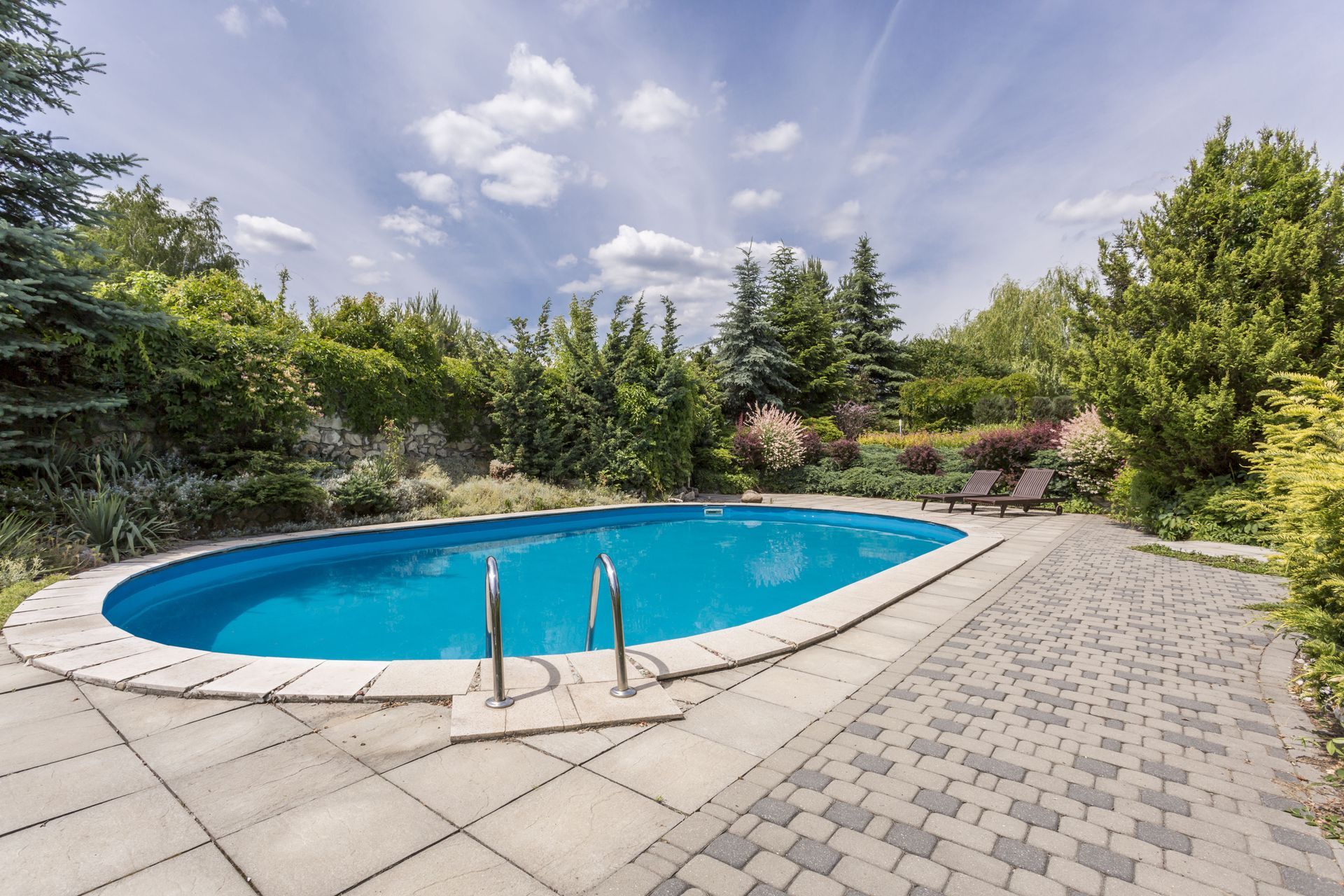
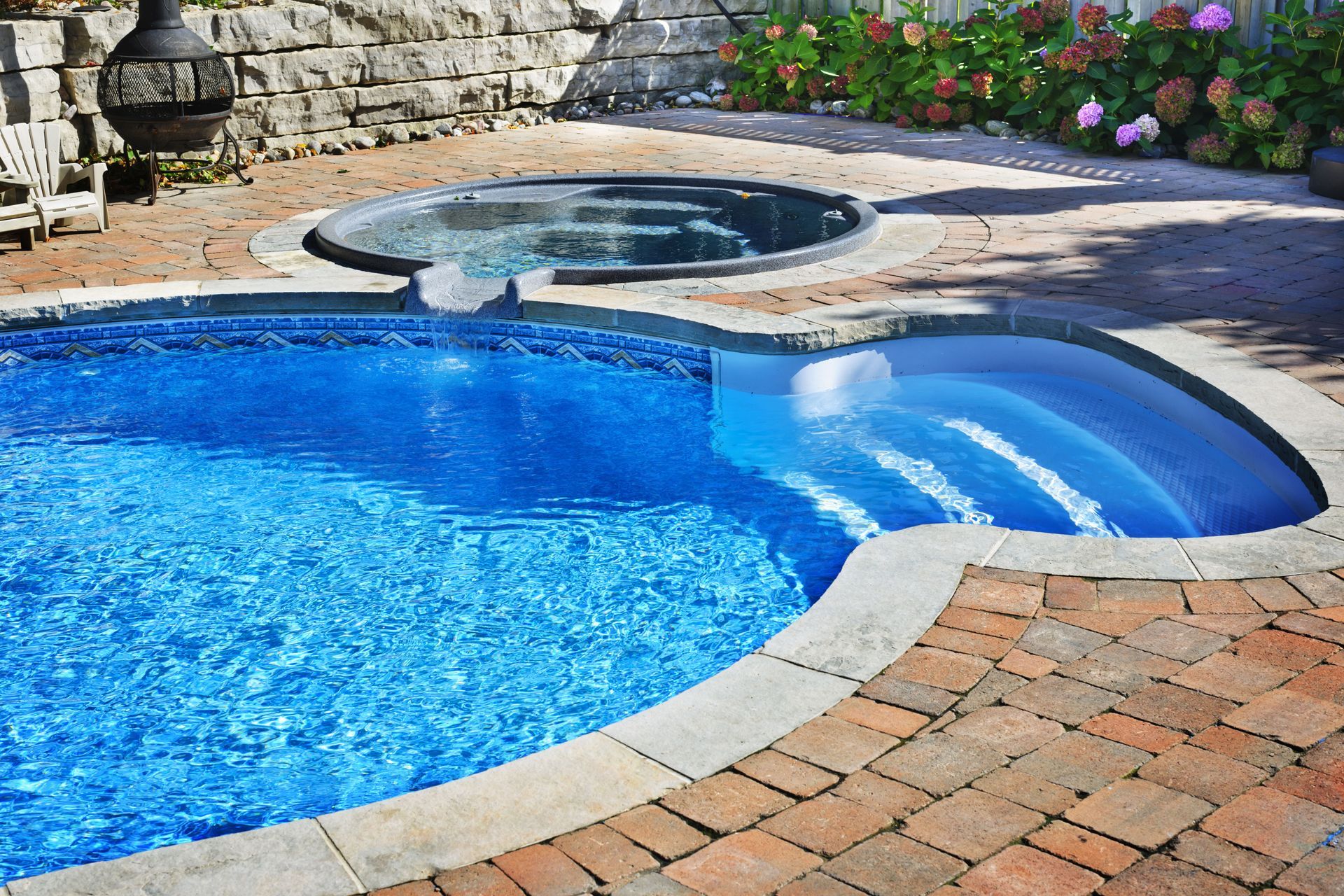
Maintaining a swimming pool is a commitment that requires consistency and attention to detail. To ensure that your investment remains a source of joy rather than a source of stress, establishing a routine for pool maintenance is essential. When you stay on top of the various tasks required to keep your water clear, you prevent the accumulation of debris and the growth of bacteria. This proactive approach not only keeps the water looking inviting but also protects the mechanical components of your system from premature wear and tear. By understanding the core principles of water care, any homeowner can master the art of keeping their backyard oasis in top condition throughout every season of the year.
Establish a Daily Skimming Routine
The first line of defense in effective pool maintenance is the removal of floating debris. Every day, leaves, insects, and other organic materials find their way into the water. If left unattended, these items eventually sink to the bottom, where they can cause staining and provide a food source for algae. Using a long-handled skimmer net to clear the surface takes only a few minutes but significantly reduces the load on your filtration system. This simple habit ensures that the water remains aesthetically pleasing and prevents organic matter from breaking down and affecting your chemical balance. Consistent skimming is the easiest way to maintain a polished look for your swimming area.
Brush the Walls and Floor Weekly
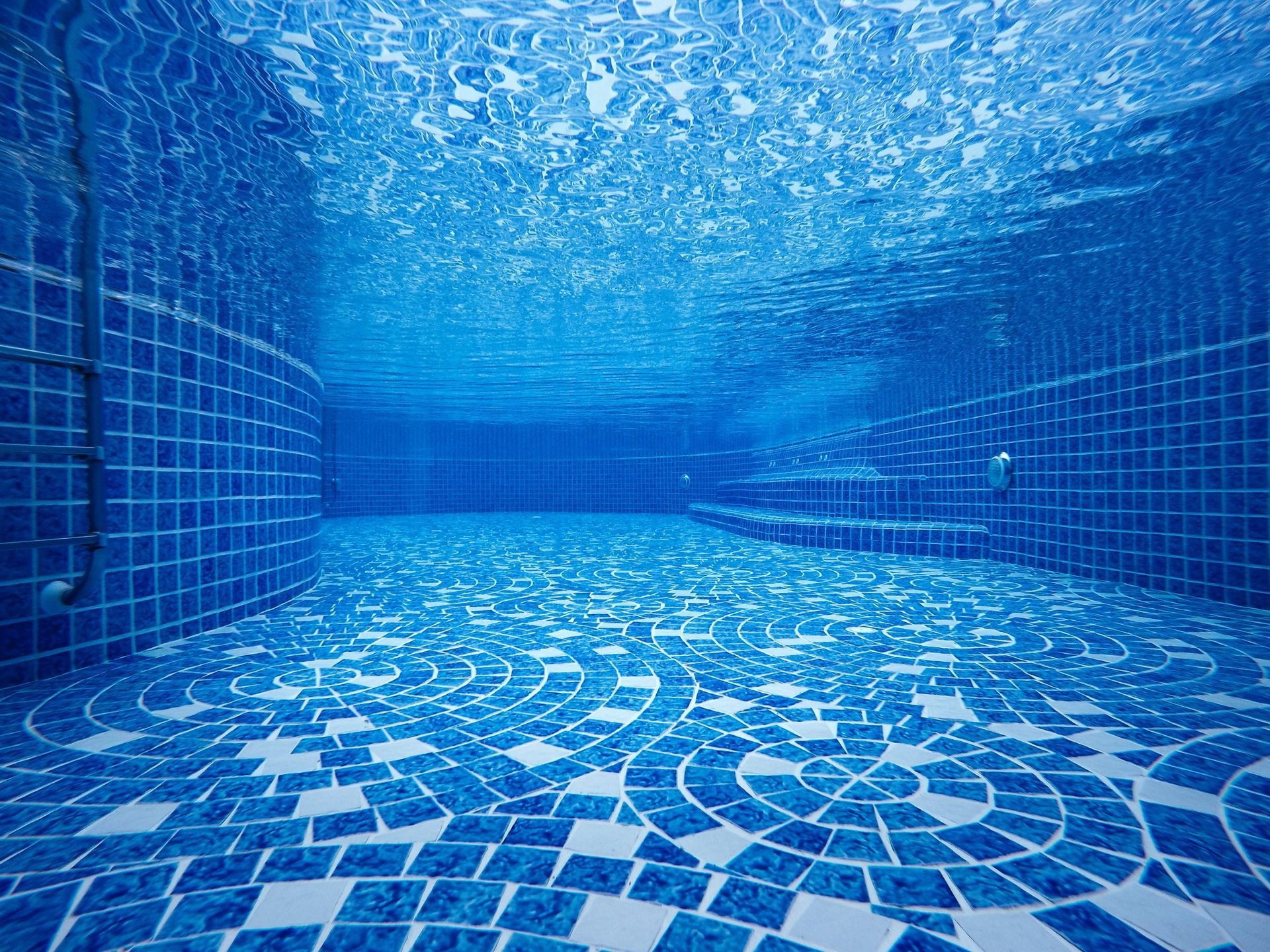
While skimming handles the surface, brushing is necessary to manage the surfaces below the waterline. Algae and film can begin to develop on the walls and floor even if the water appears clear to the naked eye. By brushing the sides of the pool at least once a week, you knock loose any microscopic growth so that it can be processed by the filter or neutralized by your sanitizer. Pay close attention to areas with low circulation, such as behind ladders, around steps, and in tight corners. This manual agitation is a vital component of pool maintenance because it prevents stubborn buildup that can be difficult to remove once it takes hold.
Vacuum the Pool Floor Regularly
Even with diligent skimming and brushing, some dirt will inevitably settle on the floor. Vacuuming is the most effective method for removing this fine sediment. Whether you use a manual vacuum head attached to your telescopic pole or an automatic suction-side cleaner, the goal is the same: to pull waste out of the environment entirely. Debris left on the floor can become a breeding ground for bacteria and can eventually lead to cloudy water. Integrating a thorough vacuuming session into your weekly schedule ensures that the deepest parts of your pool remain as clean as the surface, providing a truly pristine swimming environment for your family.
Monitor and Balance Water Chemistry
The science of pool maintenance revolves around chemical equilibrium. To keep the water safe for swimmers and gentle on equipment, you must regularly test the pH, alkalinity, and sanitizer levels. Ideally, your pH should stay within a specific range to ensure the chlorine works effectively and to prevent skin irritation. Total alkalinity acts as a buffer for the pH, preventing it from swinging wildly. By testing your water at least twice a week, you can make small adjustments with the necessary chemicals rather than waiting for a major problem to arise. Balanced water is the key to clarity and longevity for your entire backyard setup.
Clean and Service the Filtration System
Your filter is the heart of your water circulation system, constantly working to strain out impurities. Over time, the filter media—whether it be sand, cartridge, or DE—becomes clogged with the very debris it is designed to catch. Part of your pool maintenance routine must include checking the pressure gauge on the filter tank. When the pressure rises above the manufacturer’s recommended levels, it is time to backwash the system or clean the cartridges. A clean filter operates more efficiently, uses less energy, and does a much better job of keeping the water sparkling. Neglecting the filter can lead to stagnant water and a host of clarity issues.
Manage the Water Level and Skimmer Baskets
The physical components of your pool require just as much attention as the chemistry. The water level should always remain at the midpoint of the skimmer opening to ensure proper flow into the filtration system. If the water is too low, the pump may draw in air, which can cause the motor to burn out. Conversely, if the water is too high, the skimmer cannot effectively trap floating debris. Additionally, you should empty the skimmer and pump baskets frequently. These baskets act as the primary catch for large items like twigs and stones. Keeping them clear ensures that water can flow freely, which is fundamental to successful pool maintenance.
Inspect the Structural Integrity Regularly
Maintaining the structural integrity of your pool is just as important as managing the water quality. Over time, exposure to the sun and chemicals can cause wear on the pool’s finish, tiles, and coping. Regular maintenance should include a thorough inspection of these surfaces to identify small cracks or loose materials before they become major leaks. By addressing minor structural issues early, you preserve the visual appeal of your backyard and prevent water loss that can lead to expensive utility bills and soil erosion around the deck area.
Keep a Detailed Maintenance Log
Keeping a detailed log of your activities can be an invaluable tool for long-term care. Recording your chemical test results, filter cleanings, and any professional service visits helps you identify patterns in how your water reacts to different weather conditions. This data-driven approach to pool maintenance allows you to anticipate problems before they occur, such as a drop in sanitizer levels following a heavy rainstorm. Staying organized ensures that your equipment operates at peak efficiency and that your pool remains a pristine environment for relaxation throughout the entire year.
Prepare for Seasonal Changes
As the weather shifts, so do the requirements for your water care. During the peak of summer, high heat and heavy bather loads may require you to run your pump longer and increase your sanitizer applications. As the swimming season ends, your focus shifts toward protection. According to This Old House, start the winterization process between late summer and early fall when the temperature is consistently below 65 degrees Fahrenheit. Taking the time to properly close your pool protects the plumbing from freezing and ensures that you won't be greeted by a swampy mess when the spring arrives. Seasonal awareness is what separates a year-round success from a constant struggle.
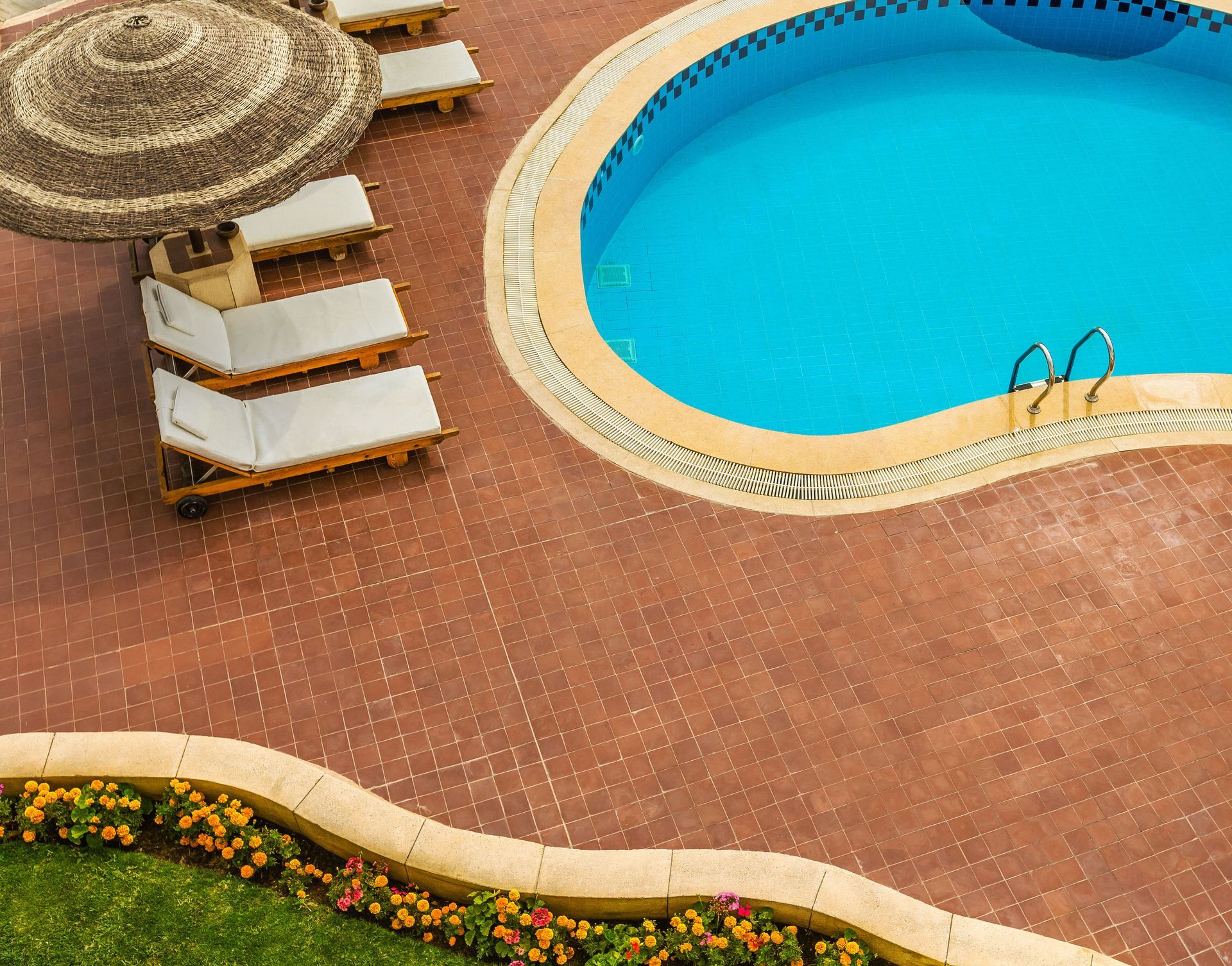
Achieving a beautiful and safe swimming environment is a direct result of the effort you put into your pool maintenance schedule. When you prioritize these tasks, you create a space that is always ready for relaxation and fun. Consistent care prevents the need for expensive chemical "shocks" or professional repairs, saving you both time and money in the long run. By following these fundamental steps, you can take pride in a backyard that features crystal-clear water and a healthy system. If you find yourself needing professional assistance or are looking to upgrade your current setup, the experts are always available to help. Contact Great Escapes Custom Pools today to learn more about how we can support your vision for a perfect backyard.