April 14, 2026
Adding a pool to your property is an exciting investment that can transform your outdoor space into a place for relaxation, entertainment, and long-term enjoyment. While the idea of having your own pool is appealing, many homeowners are unsure of what the process actually involves from start to finish. A professional approach helps streamline each step and reduces the likelihood of delays or unexpected issues.
From initial planning to the final touches, every stage of the process plays a role in the success of the project. Understanding what happens along the way can help you feel more prepared and confident as you move forward. In this article, we'll walk through what to expect during a professional pool installation so you know exactly what the journey looks like.
Initial Consultation and Planning
The process begins with an in-depth consultation where you'll discuss your goals, budget, and vision for your outdoor space. This is your opportunity to share ideas about the type of pool you want, whether it's a simple design for relaxation or a more elaborate setup for entertaining guests. A professional team will take time to evaluate your property, noting factors like slope, soil conditions, and available space.
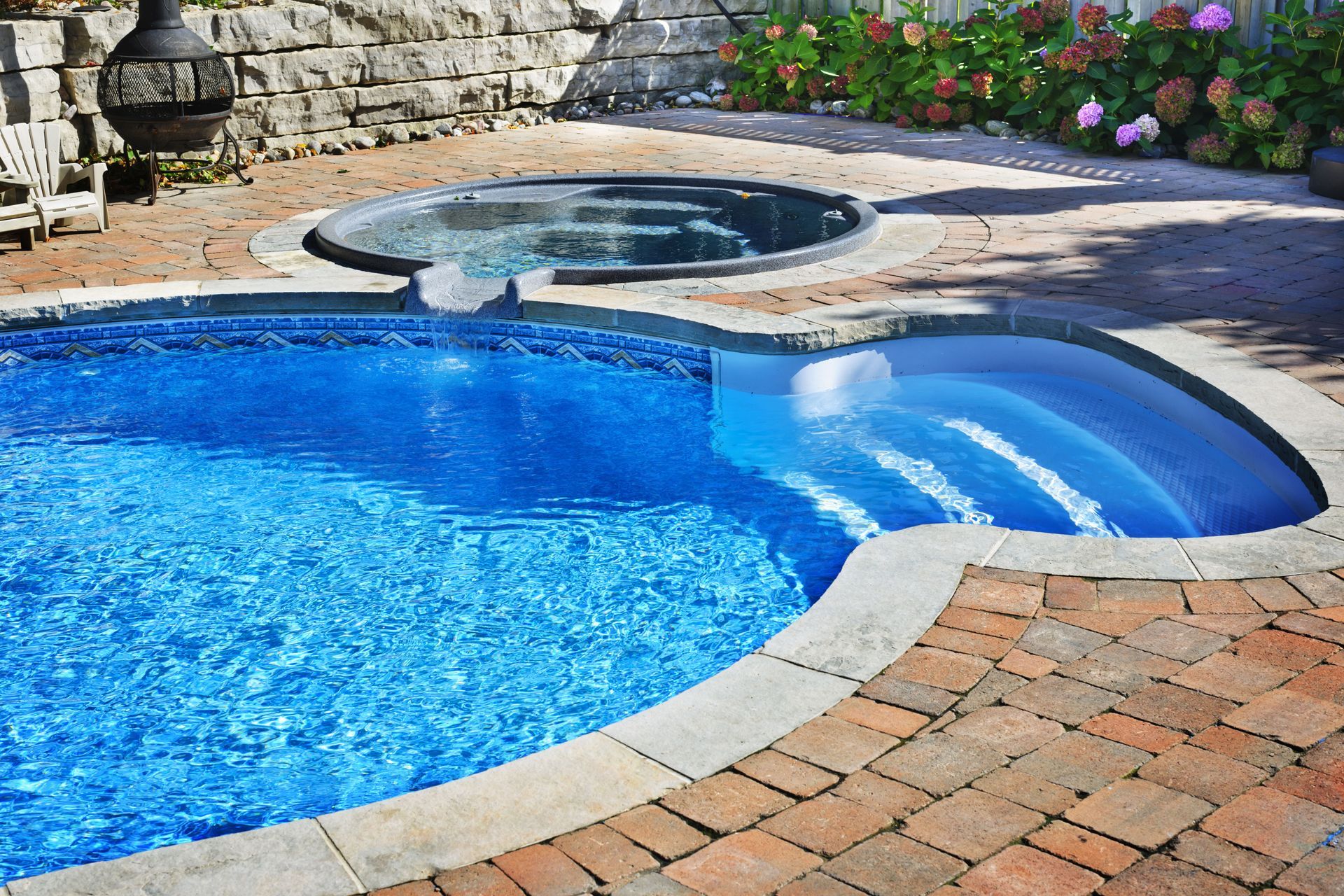
During this stage, you'll also review design options, materials, and features such as lighting, waterfalls, or integrated seating. These details help shape the overall scope of the project and allow you to create a plan that aligns with both your lifestyle and budget. You may also explore different pool styles, including in-ground concrete pools, fiberglass pools, or vinyl-lined options, each offering its own advantages.
Clear communication early on helps set realistic expectations and keeps the pool installation moving smoothly. This phase often includes discussions about timelines, potential challenges, and any special considerations unique to your property. Taking the time to carefully plan upfront can make a noticeable difference in how efficiently the rest of the project unfolds.
Design Approval and Permitting
Once the initial plan is established, the next step involves finalizing the design and securing any necessary permits. Your contractor will create detailed plans that outline the dimensions, layout, and features of the pool. These plans may also include 3D renderings or visual concepts to help you better understand how the finished pool will look in your space.
You'll have the opportunity to review these plans and request adjustments before giving final approval. This is an important step, as changes become more difficult once construction begins. Making thoughtful decisions here helps avoid delays and additional costs later in the process.
Permitting is a crucial part of the pool installation process, as local regulations often dictate where and how a pool can be built. This may include zoning requirements, property line setbacks, safety barriers, and inspections. Working with experienced professionals helps simplify this phase, as they are familiar with local guidelines and can handle the paperwork on your behalf. Their experience can also help prevent common setbacks related to compliance issues.
Site Preparation and Excavation
After approvals are in place, the physical work begins with site preparation. This involves clearing the designated area of any obstacles, such as grass, rocks, or debris, and preparing the ground for excavation. In some cases, existing structures, fencing, or landscaping may need to be removed or adjusted to make room for the new pool.
Proper preparation is essential for creating a stable foundation. Contractors may also mark utility lines and take additional precautions to avoid disruptions during construction. This step helps reduce the risk of complications once excavation begins.
Excavation is one of the most noticeable steps in a pool installation. Heavy equipment is used to dig out the shape of the pool according to the approved design. While this stage can be disruptive, it is completed relatively quickly and sets the stage for the rest of the construction process. You'll begin to see the actual footprint of your pool take shape, which is often an exciting milestone for homeowners.
Structural Installation and Plumbing
With the excavation complete, the next phase focuses on building the structure of the pool. Depending on the type of pool you've chosen, this may involve installing a steel or rebar framework, setting panels, or shaping concrete. This framework provides the strength and durability needed for long-term use and forms the backbone of your pool.
At the same time, plumbing and electrical systems are installed. These systems are responsible for water circulation, filtration, and any additional features such as lighting, heating, or automated controls. Proper installation at this stage is critical, as it impacts the performance and efficiency of your pool for years to come.
This is also when features like jets, drains, skimmers, and return lines are carefully placed. Each component must be installed with precision to support proper water flow and maintain overall system balance. A well-executed structural phase plays a major role in the long-term success of your pool installation.
Surface Finishing and Decking
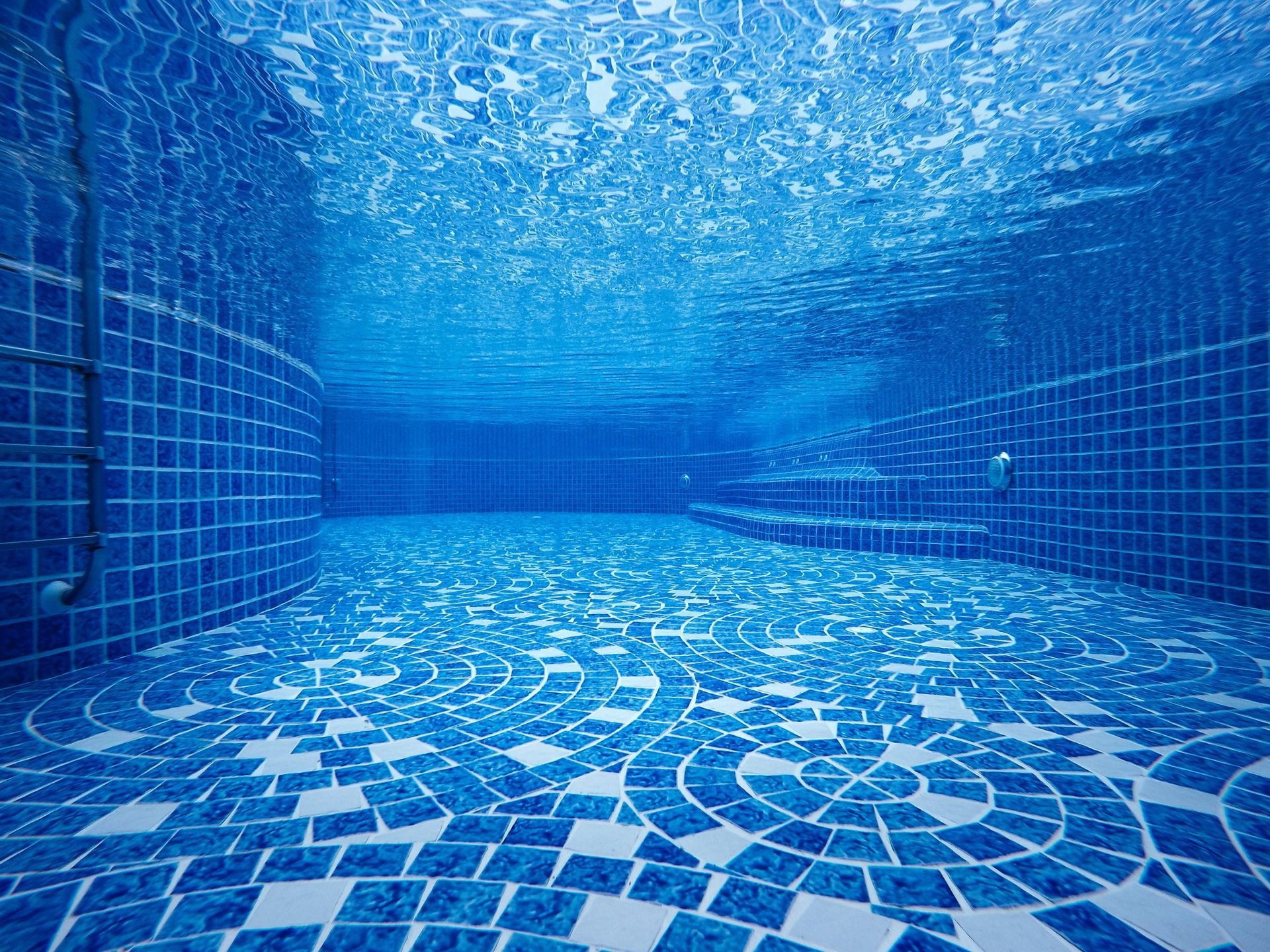
Once the structure is in place, the pool begins to take on its final appearance. The interior surface is applied, which could include plaster, tile, pebble finishes, or other materials depending on your design preferences. This step not only enhances the look of the pool but also creates a smooth, durable surface that is comfortable to use.
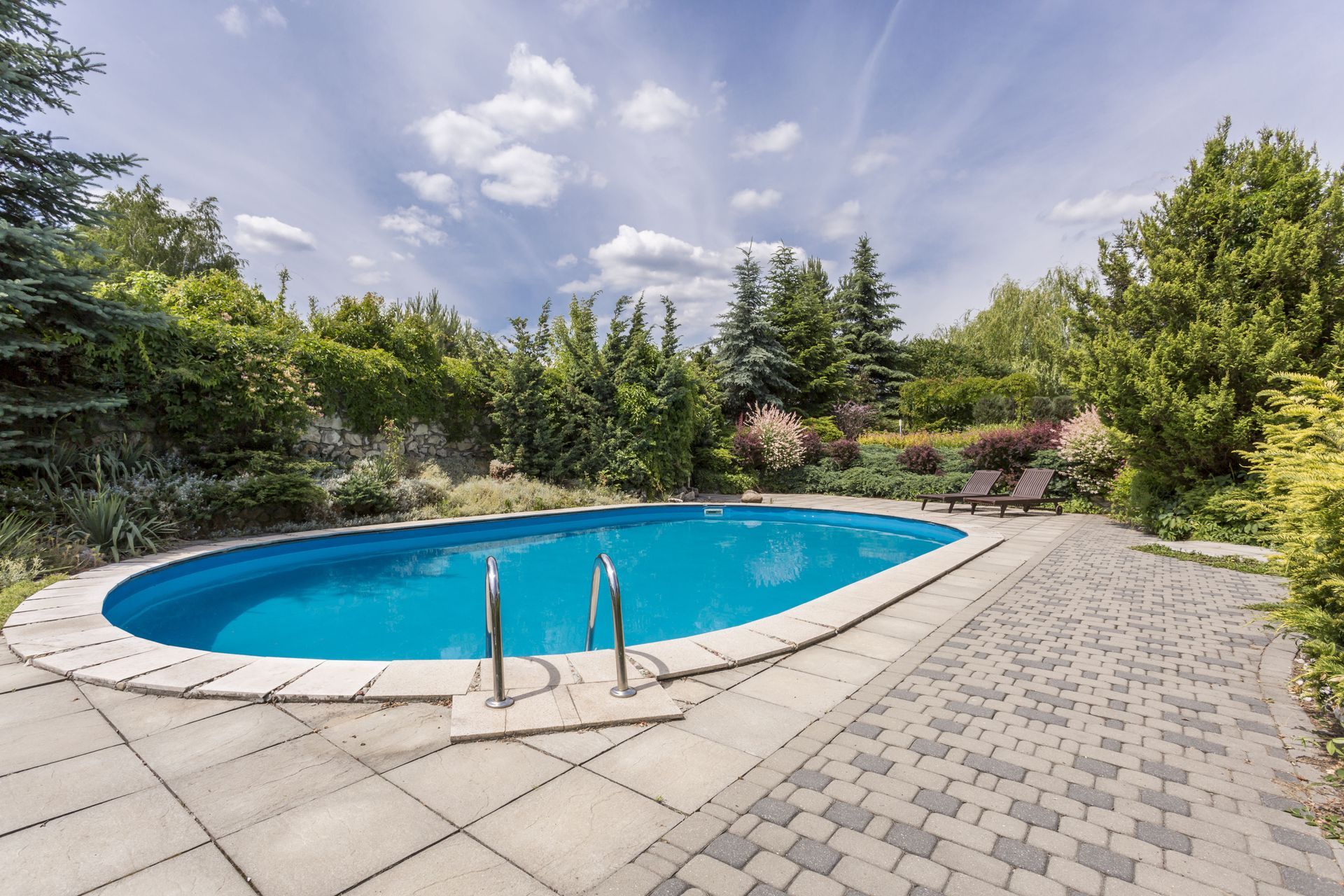
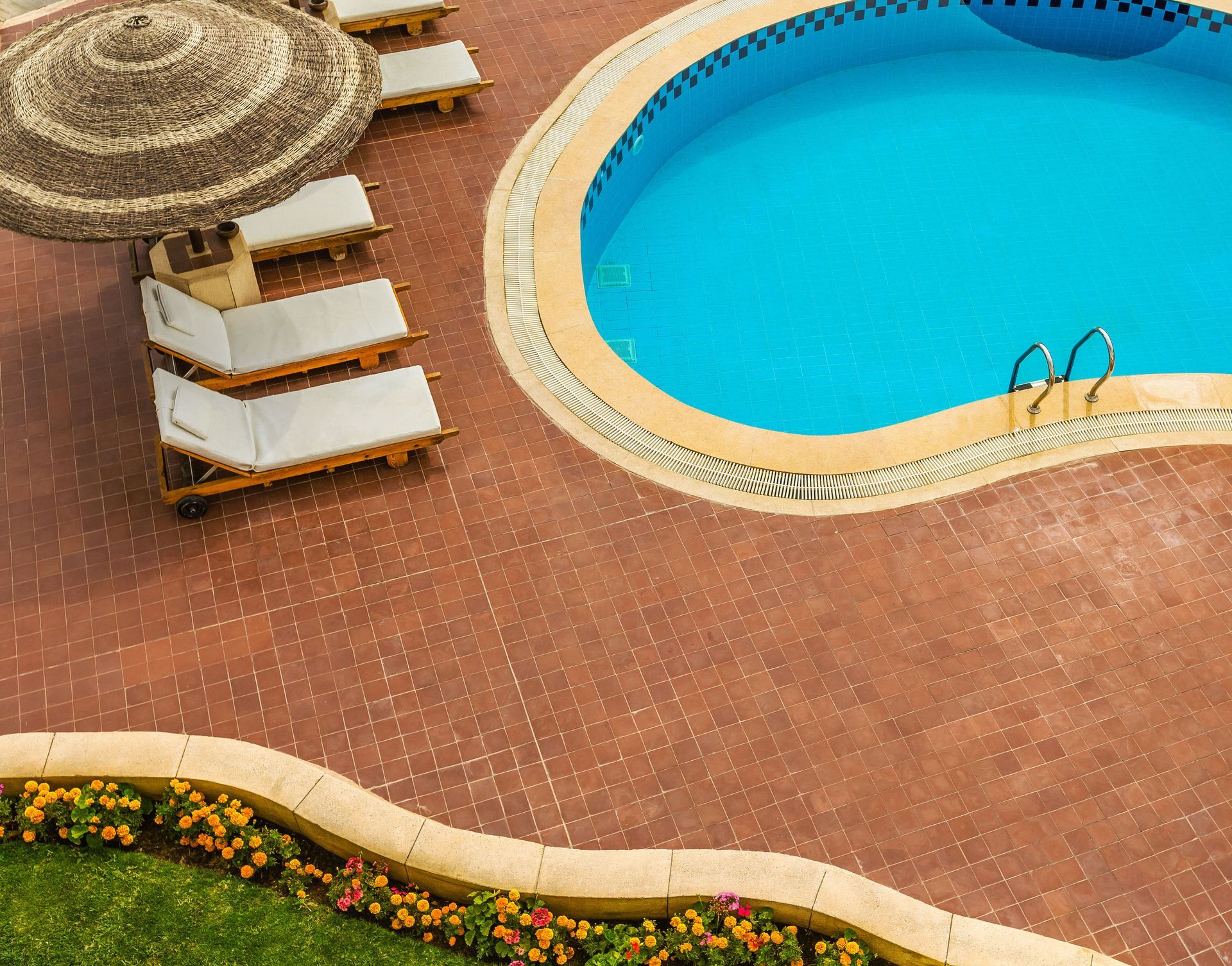
In addition to the pool itself, surrounding elements such as decking, coping, and landscaping are installed. Decking materials can range from concrete and pavers to natural stone or composite materials, each offering different visual and functional benefits. Coping provides a finished edge around the pool and helps create a seamless transition between the pool and surrounding surfaces.
Thoughtful design choices during this phase can elevate the overall experience of your new pool. Features like outdoor seating areas, shade structures, and lighting can turn your backyard into a complete outdoor living space. This stage is where your vision truly starts to come together.
Final Inspection and Water Filling
Before the pool is ready for use, it must pass final inspections to confirm that all components meet local codes and safety standards. Inspectors will review aspects such as fencing, electrical systems, drainage, and structural integrity. Passing this step is essential before the pool can be filled with water.
Once approved, the pool is filled, and the system is activated. This includes testing the pump, filtration system, and any additional features to verify everything is operating correctly. Water chemistry is also balanced to make the pool safe for swimming.
Orientation and Ongoing Maintenance
After the pool is complete, your contractor will typically provide an orientation to help you understand how to operate and maintain your new system. This includes guidance on water chemistry, cleaning routines, and equipment operation. Learning these basics helps keep your pool in good condition and extends its lifespan.
It's also worth noting that ongoing maintenance plays a key role in preserving your investment. Regular care helps prevent issues and keeps the water safe and enjoyable for use. According to RubyHome, an online real estate resource, swimming pools can boost a home's value by up to 7%. With proper upkeep, your pool can remain a valuable and functional part of your home for many years.
A professional pool installation involves several carefully coordinated steps, from initial planning and design to construction and final inspection. Each phase plays a role in creating a finished product that is both functional and visually appealing. By understanding what to expect, you can approach the process with greater confidence and clarity. If you're ready to enhance your outdoor space and enjoy the long-term benefits of a pool, reach out to Great Escapes Custom Pools today to get started.