February 20, 2026
Keeping a pool pristine and inviting requires more than occasional cleaning; it takes a structured approach and consistent attention. Proper pool maintenance ensures safe water, extends the life of your pool equipment, and enhances the overall swimming experience. Whether you are a new pool owner or someone seeking to refine your routine, following expert advice can simplify the process and prevent costly repairs.
Understand Your Pool Equipment
The first step in any pool maintenance routine is understanding your pool equipment. Pumps, filters, heaters, and skimmers all play a crucial role in keeping water clean and circulating properly. Familiarize yourself with how each component works and what signs indicate potential issues. For instance, if your pump struggles to move water, it may be clogged, or your filter could need attention. Understanding the function of your equipment allows you to troubleshoot problems efficiently and ensures the longevity of your pool system.
Take time to read manufacturer manuals, watch tutorials, or even consult professionals to understand your system’s nuances. Knowing how often to run your pump and how to inspect valves and plumbing connections can prevent minor issues from turning into major repairs. Equipment knowledge also allows you to make informed decisions when upgrading parts or adding accessories, such as automated cleaners or saltwater systems.
Test and Balance Water Regularly
Consistent testing of pool water is vital for safe and comfortable swimming. Pool maintenance involves monitoring pH levels, alkalinity, and sanitizer levels to prevent algae growth and maintain clarity. Using a reliable test kit or digital tester allows you to make adjustments quickly. Balancing water also protects pool surfaces and equipment, as corrosive or unbalanced water can damage tiles, liners, and metal fixtures. Incorporating a weekly testing schedule ensures that your pool stays in optimal condition throughout the season.
Beyond the basics, tracking trends over time can help predict when water chemistry may shift. For example, heavy rainfall, high bather loads, or hot temperatures can affect pH and chlorine levels. Keeping a log of test results and adjustments makes it easier to spot recurring issues and respond proactively, reducing the need for emergency chemical treatments.
Clean Filters and Skimmers Frequently
A clean filtration system is the heart of effective pool maintenance. Filters remove debris, dirt, and other particles, keeping water clear and safe. Regularly clean skimmers to remove leaves and floating debris before they settle on the bottom. According to This Old House, backwash your filter when the pressure gauge reads 8–10 psi above the clean filter reading. Based in our experience, during peak swimming season, this is typically every 1–2 weeks. Maintaining your filters prevents strain on the pump and reduces the risk of costly repairs.
There are several types of filters—sand, cartridge, and diatomaceous earth—each requiring slightly different care. Understanding which type your pool uses and following recommended cleaning protocols maximizes efficiency and water clarity. Neglecting filter maintenance can lead to cloudy water, reduced circulation, and higher chemical usage, all of which make pool maintenance more difficult in the long run.
Remove Debris From Pool Surfaces
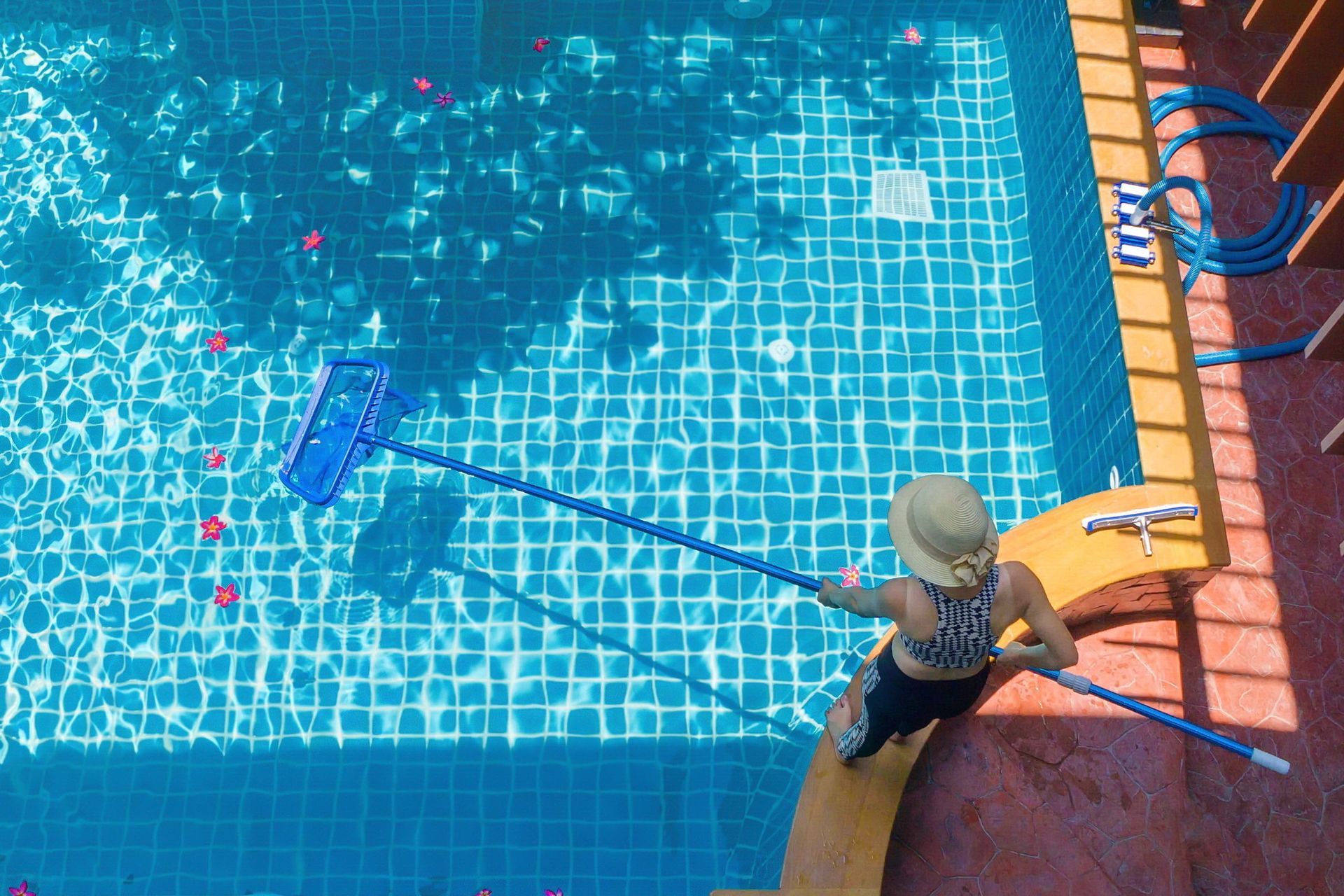
Debris, from leaves to insects, can accumulate quickly and impact water quality. Routine skimming of the pool surface and vacuuming the bottom are essential steps in comprehensive pool maintenance. Removing debris prevents staining and protects circulation systems from clogs. Pay attention to corners and steps, where debris tends to settle. Using automatic pool cleaners can reduce manual effort while keeping your pool consistently clean and inviting.
Additionally, consider the surrounding environment when planning debris management. Trees, shrubs, and outdoor furniture can contribute to the amount of dirt and leaves entering the pool. Installing a pool cover or barrier, such as a screen enclosure, can significantly reduce the workload while also improving safety. Consistent debris removal not only maintains aesthetics but also helps your sanitizer work more effectively, keeping water healthier for swimmers.
Maintain Proper Chemical Levels
Chemical balance is a cornerstone of effective pool maintenance. Chlorine or alternative sanitizers keep the water safe and prevent bacterial growth, while other chemicals help maintain proper pH and alkalinity. Understanding the correct dosage and timing of chemical treatments ensures your water remains clear and safe for swimmers. Over-treating can cause skin and eye irritation, while under-treating may allow algae and bacteria to thrive. Following a routine chemical maintenance schedule keeps your pool healthy and reduces the need for emergency interventions.
Chemical treatments also extend the life of pool equipment. Unbalanced water can corrode metal components, damage liners, and stain tiles. Many pool owners find it helpful to establish a weekly or biweekly chemical routine, testing before making adjustments. Always follow manufacturer instructions and consider storing chemicals safely, away from heat and moisture, to prevent accidents.
Inspect Pool Equipment Regularly
Routine inspections of your pool equipment help detect problems before they escalate. Check for leaks, unusual noises, or reduced water flow. Ensuring pumps, filters, heaters, and skimmers function correctly is an essential part of pool maintenance. Regular inspections can identify worn-out seals or damaged components that might otherwise go unnoticed. Scheduling professional inspections annually or semiannually complements your at-home care and safeguards your investment.
During inspections, pay attention to the pool structure as well. Cracks in plaster, tile chips, or loose coping can indicate larger structural concerns that may require professional attention. Maintaining the physical integrity of the pool reduces the likelihood of water loss, uneven chemical distribution, and costly repairs in the future.
Maintain Surrounding Areas
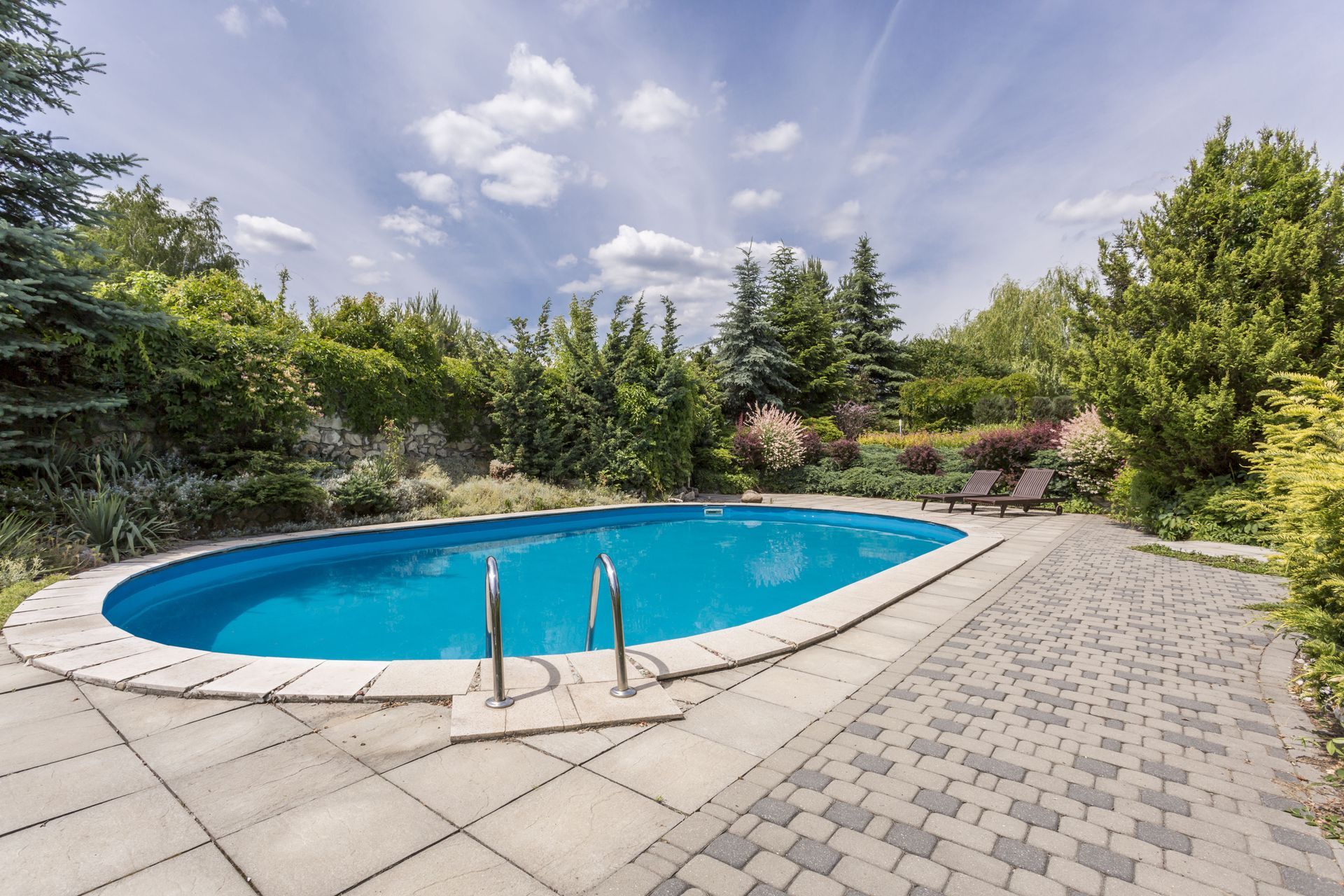
Proper pool maintenance extends beyond the water itself. Keep surrounding decks, patios, and landscaping tidy to reduce debris entering the pool. Trim overhanging branches, clean walkways, and ensure pool covers are free from dirt and mildew. A clean pool area not only enhances safety but also creates a more inviting space for relaxation and entertainment.
Outdoor maintenance also includes furniture care. Wet or damp chairs, umbrellas, and cushions can become breeding grounds for mold or mildew, which could transfer debris and microorganisms to the pool. Simple practices, such as wiping down furniture and storing cushions when not in use, improve the overall hygiene of your pool environment.
Plan Seasonal Maintenance
As temperatures drop, you may need to winterize equipment, cover the pool, and adjust chemical levels. Conversely, in warmer months, increase cleaning frequency and monitor sanitizer levels more closely. Planning ahead ensures your pool remains safe and functional year-round, avoiding surprises that could lead to costly repairs.
For instance, winterizing might include lowering the water level, adding antifreeze to plumbing, and covering the pool to prevent debris accumulation. In contrast, spring opening involves shocking the water, inspecting the filtration system, and testing chemicals to restore balance. By anticipating seasonal changes, pool owners can maintain water quality, protect equipment, and reduce labor-intensive tasks later on.
Enhance Safety and Enjoyment
Beyond keeping water clear, effective pool maintenance includes ensuring a safe swimming environment. This involves checking safety equipment like fences, gates, alarms, and life-saving tools. It also means educating swimmers on pool rules, especially for children and inexperienced swimmers. Proper signage and clear safety protocols reduce the risk of accidents while making your pool a welcoming space for all.
Understanding equipment, testing and balancing water, cleaning filters, removing debris, and maintaining chemical levels are all critical components of a successful routine. By inspecting equipment regularly, maintaining surrounding areas, and planning for seasonal changes, you can extend the life of your pool and provide a safe, enjoyable swimming environment for everyone. With dedication and proper care, your pool can remain a source of relaxation and entertainment for years to come. For homeowners seeking expert guidance, contact Great Escapes Custom Pools!